

Blog

AI Surveillance vs. Traditional CCTV: Which Is Right for Your Business?

Feature Webinar: Ask the Expert: Multi-Family Must-Knows About Pool Safety
Thursday, April 3rd, 12PM ET / 9:00 AM PST
Register Here
6 Mins
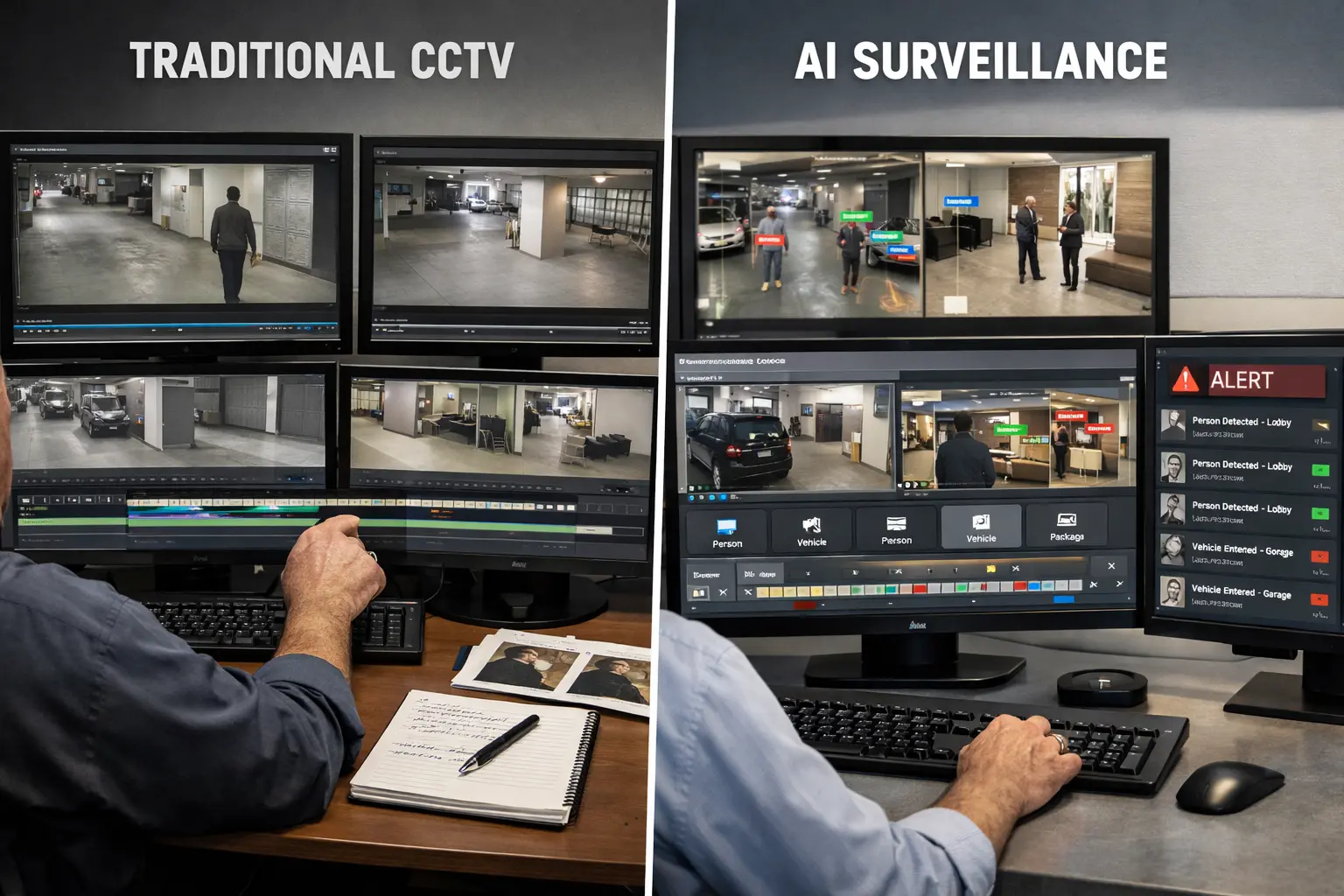
Comparison of intelligent AI surveillance versus traditional CCTV monitoring for business security

Security technology has evolved, but many businesses still rely on traditional CCTV systems designed primarily for recording video. AI Surveillance changes that model by adding real-time intelligence, automation, and searchability—turning cameras into operational tools rather than passive recorders.

If you’re deciding between traditional CCTV and AI Surveillance, the right choice depends less on camera cost and more on risk, response time, and operational efficiency.
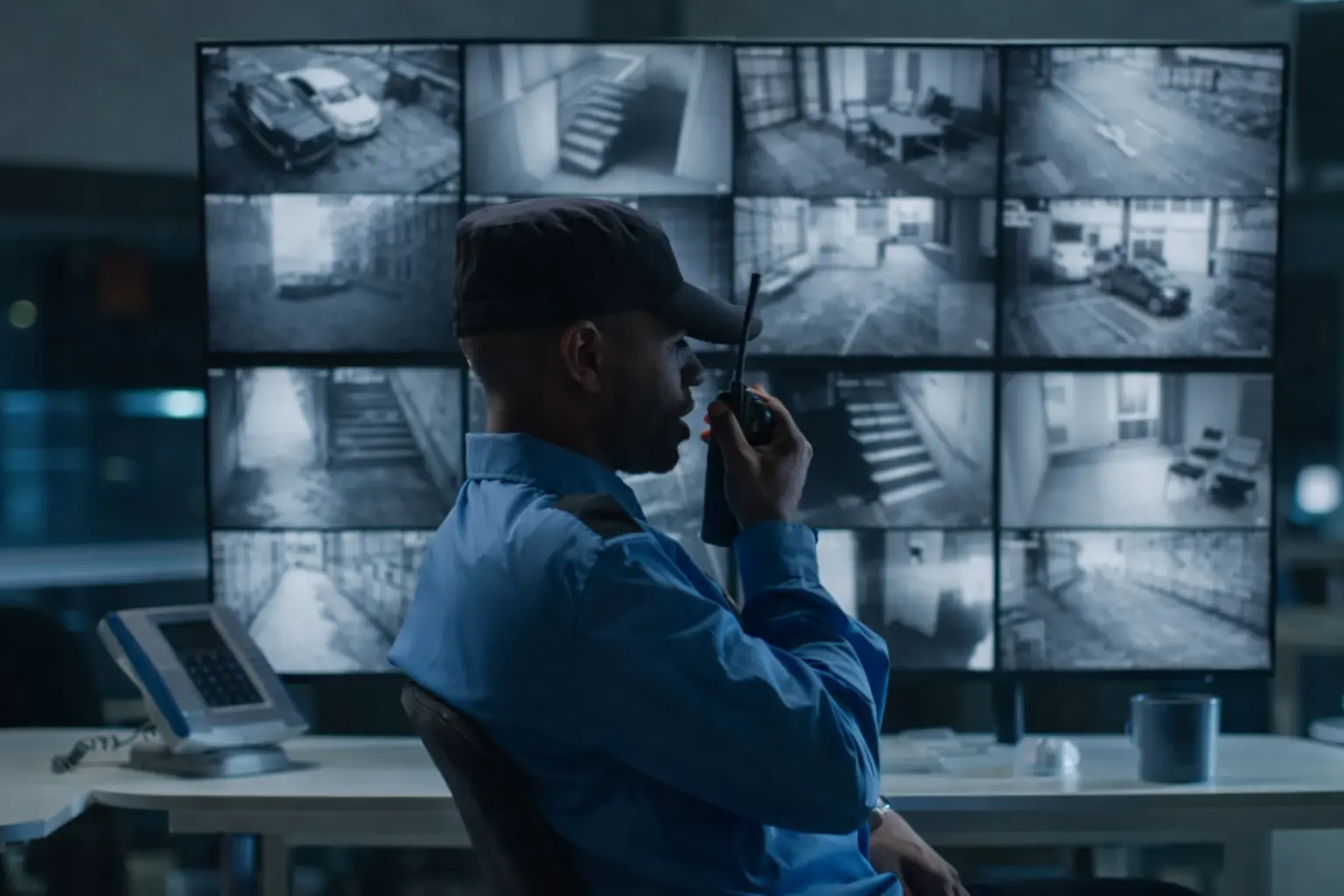
Standard security cameras capturing footage without real-time threat detection or alerts

What Is Traditional CCTV?

Traditional CCTV systems focus on capturing and storing video for later review.

Key characteristics:

  • Passive video recording
  • Little or no real-time alerting to potential threats
  • Manual review required
  • Footage used mainly after incidents occur
  • Limited integration with business systems

CCTV is primarily reactive—useful for investigating what happened, but limited in preventing loss or reducing risk in the moment.
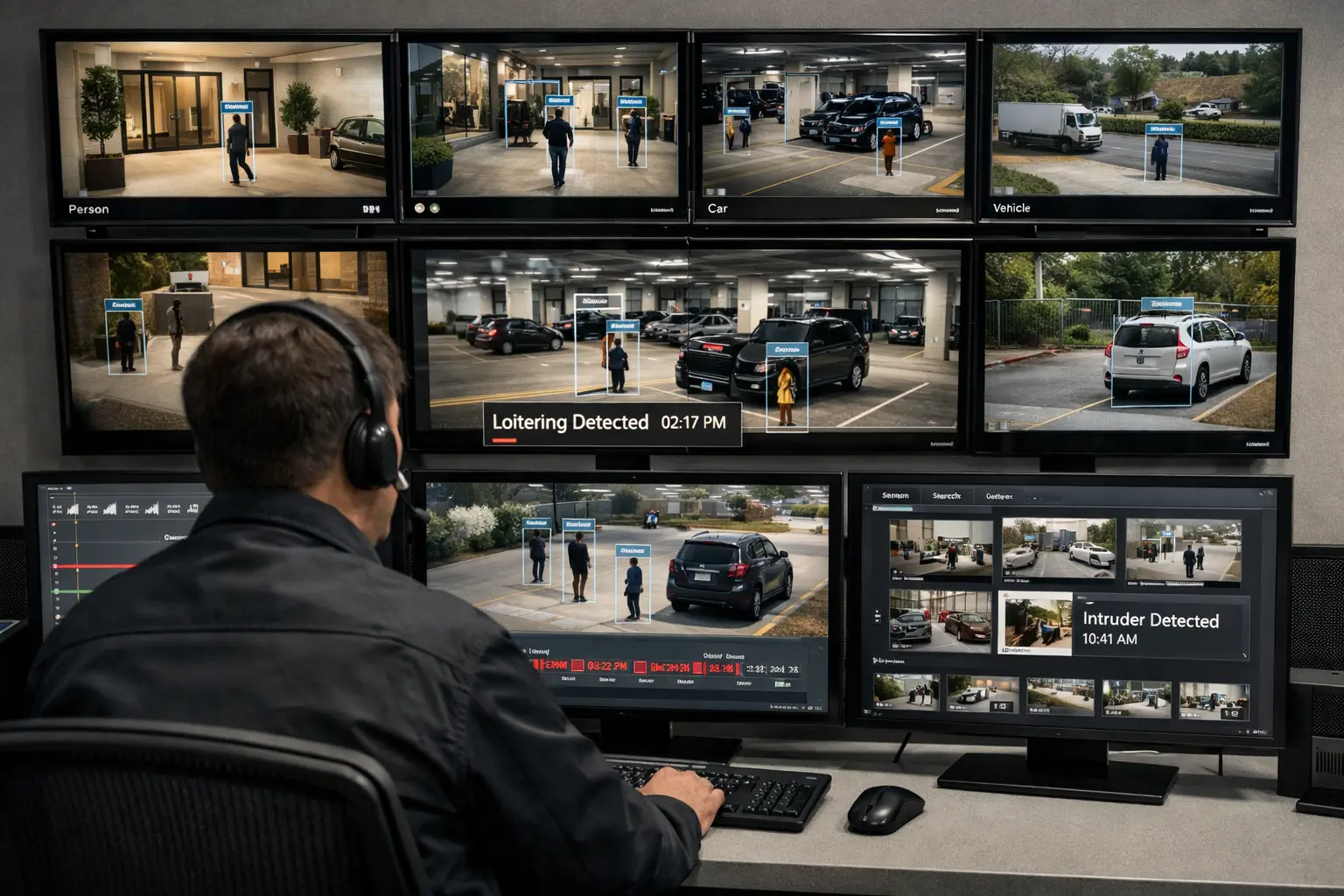
AI video surveillance platform automatically tagging and time-stamping security incidents

What Is AI Surveillance?

AI Surveillance layers artificial intelligence and computer vision onto your video feeds to analyze activity in real time.

AI Surveillance systems can:

  • Detect people, vehicles, and behaviors
  • Identify unusual or risky activity
  • Trigger alerts as events occur
  • Automatically tag and time-stamp incident
  • Enable rapid search across video footage

Rather than just recording video, AI Surveillance turns cameras into active sensors that alert you to threats in real time and improve response, documentation, and visibility.

To understand how AI Surveillance is being applied in real-world environments, watch this video

Traditional CCTV video playback contrasted with AI surveillance producing actionable security insights

Core Differences at a Glance

Reactive vs. Proactive

  • CCTV: Incidents are reviewed after the fact
  • AI Surveillance: Issues are identified as they happen

Manual Monitoring vs. Automated Intelligence

  • CCTV: Requires constant human review of all footage
  • AI Surveillance: Sorts motion-based footage and sends alerts to relevant threats as they are occurring

Manual Scrubbing vs. Rapid Search

  • CCTV: Finding footage often means fast-forwarding and rewinding through hours of video
  • AI Surveillance: Incidents are searchable by person, object, or vehicle. Results are found found in minutes, not hours

Footage vs. Actionable Data

  • CCTV: Produces raw video
  • AI Surveillance: Produces indexed events, timestamps, and incident records

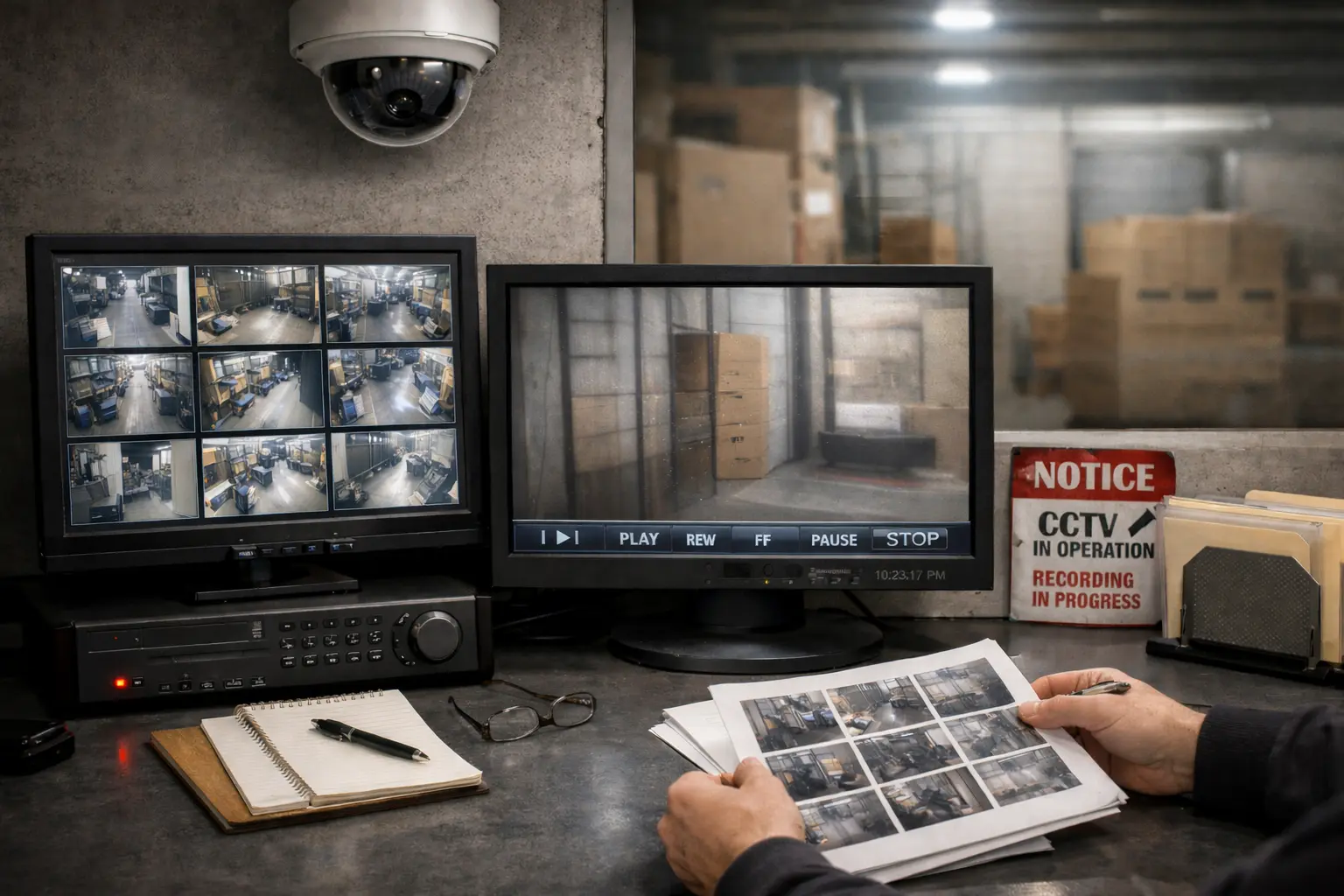
Cost-intensive CCTV monitoring relying on guards to review footage after incidents occur

Cost Considerations: Total Cost of Ownership

Traditional CCTV and AI Surveillance are not mutually exclusive. Many organizations add AI capabilities to existing camera systems using camera-agnostic platforms.

While CCTV may appear cheaper upfront, it often leads to higher long-term costs due to:

  • Losses from theft and vandalism without real-time deterrence
  • Labor-intensive footage review
  • Missed incidents due to human oversight
  • Weaker documentation for insurance and legal defense

By contrast, AI Surveillance can reduce total cost of ownership by:
  • Reducing theft and vandalism losses
  • Cutting investigation time from hours to minutes
  • Improving incident documentation and consistency
  • Scaling monitoring across multiple locations efficiently

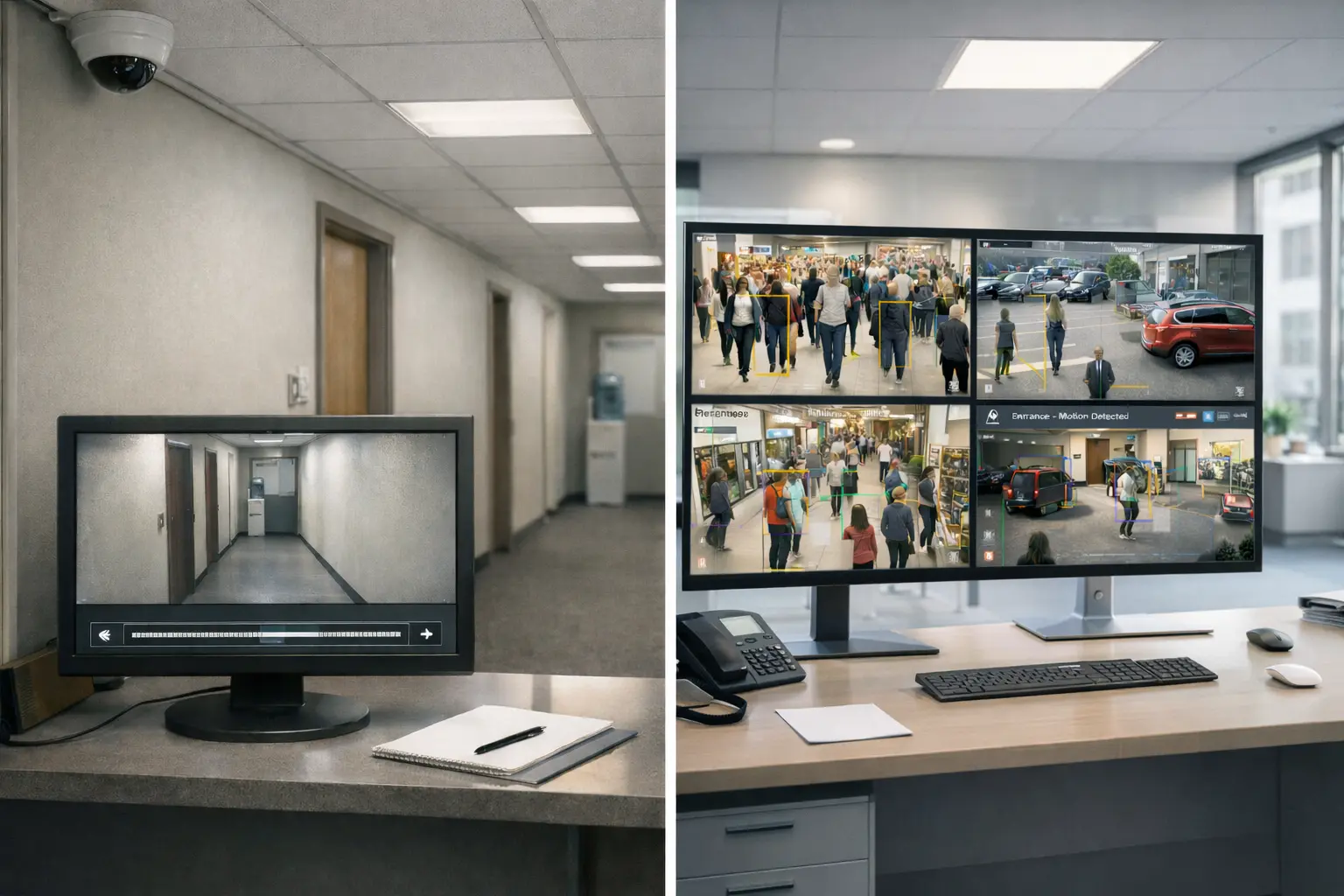
Side-by-side view showing passive CCTV footage and AI video surveillance with real-time analytics


Use Cases: When Each Makes Sense

Traditional CCTV may be sufficient if:

  • Risk and activity levels are low
  • Footage is rarely reviewed
  • Real-time response is not critical

AI Surveillance is better suited for:

  • Multi-site operations
  • Public-facing or high-traffic environments
  • Businesses concerned about theft, vandalism, or liability
  • Organizations that need real-time awareness and better documentation

Common adopters include commercial real estate, multifamily housing, retail, logistics, construction, manufacturing, and transportation.

Key Takeaways

  • AI Surveillance adds real-time intelligence to traditional cameras
  • CCTV is reactive; AI Surveillance is proactive
  • AI-enabled systems dramatically reduce investigation time
  • AI Surveillance can layer onto existing CCTV infrastructure
  • Total cost of ownership—not camera price—drives the real decision


Final Thoughts

Security is no longer just about recording video. As businesses face rising operational complexity and risk, AI Surveillance represents a shift from watching footage to understanding environments in real time.

For many organizations, the question isn’t whether AI Surveillance replaces CCTV—but how quickly adding intelligence to existing cameras can reduce loss, improve response, and strengthen accountability.

Learn More

Choosing between traditional CCTV and AI Surveillance depends on how your organization approaches risk, response, and accountability.

If you’re evaluating how AI Surveillance can layer onto existing camera systems — and what that means for theft prevention, operational efficiency, and documentation — explore our resources on real-time surveillance and AI-driven security.

👉 Learn more about AI Surveillance and real-time monitoring

Experience why businesses choose Cloudastructure for video security and management.

Offices across the globe.

AUD

NYC

CHN

EU

Webinar: How Resident Experience Impacts Occupancy and NOI
Live Webinar: How Resident Experience Impacts Occupancy and NOI
Learn More
End of Year offer
Protect Now, Pay in 2026
Stay ahead of crime this holiday season with Cloudastructure’s AI Surveillance, and defer all payments until 2026.
Claim Offer Now
What Does 2025 Multifamily Security Data Reveal?
See what nationwide crime polls reveal about liability risk, security gaps, and AI-powered surveillance in our Multifamily Security & Risk Management Report.
Learn More