Introduction
A Note from Our
Solution Engineering Team
Cloudastructure doesn't manufacture cameras. Unlike some competitors who make buying their cameras a condition of their platform, our software is designed to work with the cameras you already have. We believe the best security investment is great software—and we'll work with your existing infrastructure to deliver it.
That said, we get asked constantly: "If we are buying new cameras, what should we get?" This guide is our answer. It represents the recommendations of our Solution Engineering team—cameras we've evaluated and trust to deliver the image quality and reliability that Cloudastructure's AI needs to perform at its best.
We've organized this guide to help you match the right hardware to your specific environment, whether your priority is budget, image quality, coverage area, or specialized use cases like perimeter detection, multifamily residential, trucking and logistics, or automotive documentation. If you're in the middle of evaluating options or wondering whether a switch is really worth the effort—we hope this guide makes that decision a little easier.
The goal is simple: the best cameras plus the best AI software equals the best outcomes for your security program.
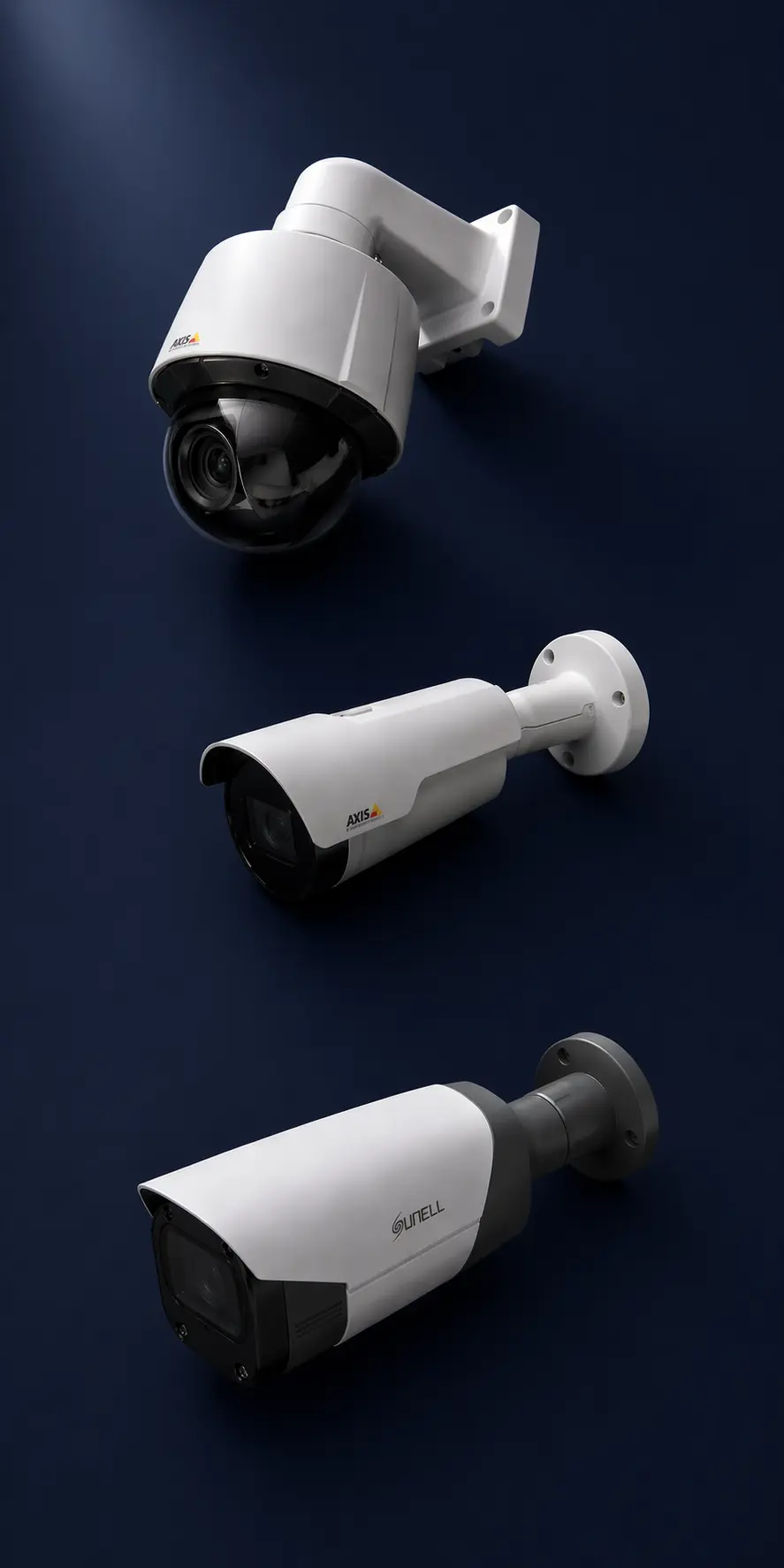
Camera agnostic by design. We'll work with your existing hardware and help you expand strategically—no forced upgrades, no vendor lock-in.
Procurement Strategy
Budget and Price Considerations
Camera hardware is a capital expenditure—it should be right-sized to the deployment, not over-specified for its own sake. Our solution engineers think about camera procurement in three tiers:
Premium Tier
Axis, Bosch, Hanwha flagship — highest image quality, most durable enclosures, longest service lives. Right for critical zones, challenging lighting, automotive documentation, trucking perimeter detection.
Mid-Range Tier
Axis budget lines, Hanwha standard — strong performance at lower price points. Well-suited to general coverage across campuses, multifamily, trucking facilities, warehouses, and retail.
Value Tier (Sunell)
Strong choice when budget matters but capability still matters too. Sunell's 2026 lineup brings on-camera AI analytics, 120dB true WDR, and enterprise-grade cybersecurity—features typically found in premium hardware—at price points that make broad coverage realistic. A practical hybrid strategy: premium cameras at highest-priority points, Sunell for general area coverage and long-range PTZ.
NDAA Compliance: Does It Apply to You?
If NDAA (National Defense Authorization Act) compliance is a factor for your organization, here's what you need to know. If it's not—feel free to skip ahead.
Section 889 of the National Defense Authorization Act (FY2019) prohibits U.S. federal agencies and their contractors from using telecommunications equipment from a defined list of Chinese manufacturers, including Hikvision, Dahua, Huawei, ZTE, and Hytera.
NDAA compliance is typically relevant if you are:
- A federal agency or department
- A state or local government entity receiving federal grants (DHS, FEMA, DOJ programs)
- A government contractor or subcontractor
- A critical infrastructure operator subject to federal security requirements
Most commercial businesses, private campuses, and retail organizations are not legally required to meet NDAA standards. The Axis and Hanwha cameras in this guide are manufactured in Sweden and South Korea respectively and carry documented NDAA compliance. The Sunell cameras are manufactured in China—the right choice when compliance is not required and value is a priority.
Deployment Guide
Matching Camera to Use Case
The table below maps common deployment objectives to the cameras in this guide. Price tier is indicated for each recommendation.
↔ Scroll to view table
| Objective | Recommended Camera | Price Tier |
|---|
| Long-range perimeter / fence line | Axis Q1971-E Thermal | Premium |
| Auto dealership lane / damage documentation | Axis P1488-LE (60 FPS) | Premium |
| Pan/tilt in challenging light | Axis Q63 PTZ (Focus Recall) | Premium |
| Off-grid / solar pole / mobile trailer | Hanwha XNV-9083RZ PTRZ | Premium |
| Large parking lot / intersection / campus | Hanwha PNM-C32083RQZ (4-sensor) | Premium |
| Trucking yard / loading dock perimeter | Axis Q1971-E Thermal or Hanwha PNM-C32083RQZ | Premium |
| Building entrance / small campus perimeter | Hanwha PNM-12082RVD (2-sensor) | Mid-Range |
| Multifamily parking lots / perimeter coverage | Hanwha PNO-A9081RLP or Sunell SN-IPR8056BZAN-Z | Mid-Range |
| Indoor common areas, lobbies, retail floors | Sunell SN-IPV8056EDAR-Z (5MP AI Dome) | Value |
| Outdoor directional — parking rows, dock doors, fence lines | Sunell SN-IPR8056BZAN-Z (5MP AI Bullet) | Value |
| Long-range PTZ — yards, lots, perimeters | Sunell SN-IPS8622YDR-Z25 (2MP 25× IR PTZ) | Value |
Hybrid deployment strategy: Use premium cameras at highest-priority coverage points (entrances, cash handling areas, perimeter corners) and Sunell cameras for general area coverage. This approach delivers strong results at total cost well below an all-premium deployment.
Premium Tier — Axis & Hanwha
Lens Options
7, 13, 19, 25, 35 mm
Primary Use Case
Fence line / perimeter surveillance
Key Benefit
Fewer power installations over extended distances
Thermal cameras are the gold standard for perimeter protection where visible-light cameras struggle—darkness, glare, fog, and camouflage all degrade RGB sensors while thermal imaging remains unaffected. The Q1971-E series is purpose-built for long-range fence line surveillance, offering five focal length options to match detection range to site geometry.
Critically, the reduced need to install power every 45 metres (150 feet) cuts infrastructure cost substantially on large perimeters such as trucking yards, utility sites, correctional facilities, and distribution centers. Cloudastructure's AI processes the thermal feed for detection and alerting, adding the intelligent layer that makes this hardware investment pay off.
Primary Use Case
Auto dealership service lane monitoring
Key Benefit
Captures fine detail to document pre-existing damage
False damage claims represent a significant financial liability for automotive dealerships. At 60 frames per second, the P1488-LE captures crisp, motion-free imagery of vehicles moving through service lanes—providing irrefutable documentation of the vehicle's condition on arrival and departure.
The high frame rate also makes this camera well-suited to trucking and logistics applications: dock door monitoring, yard entry/exit lanes, and trailer condition documentation at check-in. Cloudastructure's platform indexes and retrieves this footage with timeline search, making incident review fast and defensible.
Key Technology
Focus Recall — instant precise refocus on pan/tilt
Lighting Challenge
Low-contrast scenes, oncoming headlights
Primary Use Case
Challenging light environments requiring pan/tilt coverage
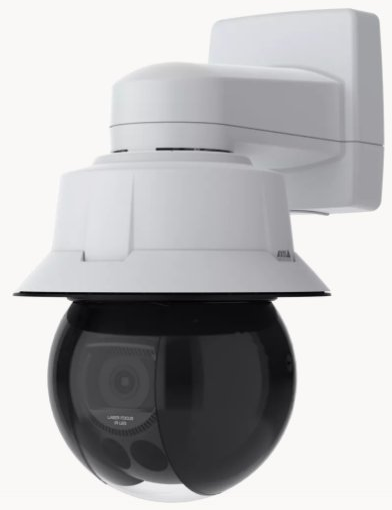
PTZ cameras lose their value proposition when focus degrades during movement. The Q63 series addresses this with Focus Recall technology: once configured for a scene, the camera stores precise focus parameters for each pan/tilt position and restores them instantly—no hunting, no manual adjustment.
This is especially valuable in mixed-lighting environments such as parking garages with oncoming headlights, outdoor stadiums, or industrial yards. Cloudastructure's AI handles detection and alerting from the PTZ feed, including auto-tracking triggers based on scene activity.
Mounting
Solar poles, mobile trailers, remote sites
Power
Low consumption vs. traditional PTZ
Control
Remote pan, tilt, rotation, zoom post-installation
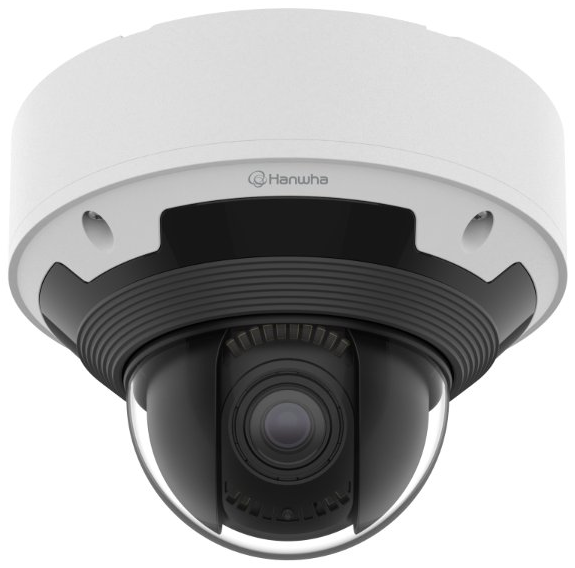
Traditional PTZ cameras consume significant power—a barrier for solar-powered or mobile deployments. The XNV-9083RZ delivers pan, tilt, rotation, and zoom in a form factor that draws a fraction of the power, making it viable for temporary construction sites, disaster response trailers, solar-pole perimeter systems, and event deployments.
Remote PTRZ adjustment after installation eliminates the need to revisit the camera for field-of-view corrections. Cloudastructure connects to these cameras wherever they are installed, providing centralized AI monitoring across both fixed and mobile sites from a single dashboard.
Resolution
8MP per sensor × 4 sensors
Features
BestShot, WiseNR II, WiseStream III, remote PTRZ
Durability
IP66, IK10, NEMA4X
Cybersecurity
TPM 2.0, FIPS 140-2 Level 2
Primary Use Case
Parking lots, intersections, campuses, perimeter zones
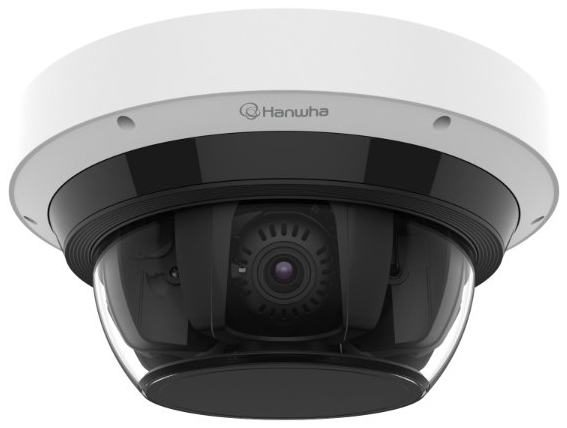
Four independently articulated 8MP sensors provide overlapping coverage of complex geometries—corners, intersections, multi-lane entrances—that a single camera cannot address. WiseStream III compression keeps bandwidth and storage manageable across all four channels.
FIPS 140-2 Level 2 and TPM 2.0 certifications make this camera suitable for regulated and government environments where cybersecurity is audited. Cloudastructure receives all four sensor feeds, applying unified AI analytics and alerting across the full coverage area from a single camera installation point.
Mid-Range — Hanwha
Resolution
6MP per sensor × 2 sensors
WDR
120dB extreme wide dynamic range
IR Range
Up to 25m near-total darkness
Cybersecurity
TPM 2.0, FIPS 140-2 certified
Durability
IP66/IP67, IK10, NEMA4X
Lenses
Motorized varifocal
Primary Use Case
Multifamily properties, small campuses, parking lots, building entrances, perimeter zones
Two 6MP sensors with motorized varifocal lenses can be independently aimed to cover a building entrance and the adjacent parking aisle, or two sides of a perimeter corner, from a single installation point. A natural fit for multifamily properties where a single camera drop needs to cover both the doorway and the surrounding outdoor area.
The 120dB WDR handles high-contrast scenes—backlit entryways, sunrise/sunset perimeters—while IR illumination at 25m extends coverage into near-total darkness. A cost-effective way to get dual-direction coverage without running two separate cable drops. Cloudastructure processes both channels with full AI analytics and unified alerting.
Speed Class
Low-to-moderate speed vehicle capture
Low-Light
0.05 Lux color sensitivity, IR up to 30m
WDR
120dB extreme wide dynamic range
Storage
32GB micro SD — up to 10,000 vehicle images
Compliance
TAA compliant, GSA schedule
Primary Use Case
Parking lots, gated entrances, access roads
A 4K IR bullet camera purpose-built for vehicle capture at parking lots, gated entrances, and access roads operating at low-to-moderate speeds. Its 0.05 Lux color sensitivity and IR illumination up to 30m ensure sharp, detailed imagery in near-total darkness, while 120dB extreme WDR handles backlit canopies and headlight glare.
The 32GB onboard SD card provides a resilient local image buffer if network connectivity is interrupted. TAA compliance enables procurement on GSA schedule. Cloudastructure's AI runs detection and alerting on the feed from this camera—delivering the intelligence layer on top of best-in-class image capture.
Value Tier — Sunell
Sunell is a Chinese manufacturer whose 2026 lineup pairs strong image quality with on-camera AI, 120dB true WDR, and enterprise-grade cybersecurity (encrypted firmware, secure boot, 802.1X, AES-256 SD encryption)—capabilities typically reserved for premium-tier hardware. These cameras are not NDAA-compliant and are not appropriate for federal, federally-funded, or regulated deployments where compliance is required. For commercial and private deployments where capability per dollar matters, this lineup is a strong choice and pairs effectively with Cloudastructure's platform.
.webp)
Resolution
5MP (2592×1944) at 30fps
Lens
2.7–13.5 mm motorized varifocal
AI Analytics
Face, human, vehicle detection; intrusion, loitering, fall/fight detection, people counting
Wide Dynamic Range
True WDR 120dB
IR Range
Smart IR up to 40 m / 131 ft
Cybersecurity
Encrypted firmware, secure boot, 802.1X, AES-256 SD encryption
Operating Range
-40°F to 140°F
Form Factor
Vandal dome (IP66, IK10) — cable-free install
A 5MP varifocal dome that punches well above its price point. The on-camera analytics suite—face, human, and vehicle detection, plus behaviors like intrusion, loitering, line crossing, and even fall and fight detection—matches what you'd typically only see in premium-tier hardware. The 120dB true WDR handles backlit entrances and mixed lighting that would wash out cheaper sensors, and the cable-free design simplifies install for ceilings and overhangs where cable management gets messy.
The cybersecurity stack is the real story here: encrypted firmware, secure boot, 802.1X network authentication, and AES-256 encryption on the SD card—the kind of hardening you'd expect from cameras costing several times as much. Suited for retail, multifamily lobbies, building entrances, and indoor common areas where image quality and security posture both matter.
.webp)
Resolution
5MP (2592×1944) at 30fps
Lens
2.7–13.5 mm motorized varifocal
AI Analytics
Face, human, vehicle detection; intrusion, loitering, line crossing, illegal parking
Wide Dynamic Range
True WDR 120dB
IR Range
Smart IR up to 40 m / 131 ft
Cybersecurity
Encrypted firmware, secure boot, 802.1X, AES-256 SD encryption
Operating Range
-40°F to 140°F
Form Factor
Bullet — outdoor directional (IP67, IK10 housing)
A 5MP outdoor bullet purpose-built for directional coverage of parking lot rows, dock doors, building exteriors, and fence lines. The motorized varifocal lens lets you remotely adjust zoom and focus after installation—useful for outdoor mounts where physical access requires a lift or a ladder. On-camera AI handles human and vehicle classification, intrusion detection, line crossing, and illegal parking, which means alerts surface real events instead of every wind-blown shadow.
IP67 against rain and dust and IK10 vandal resistance on the housing make it appropriate for low-mount applications where cameras can be tampered with. The -40°F to 140°F operating range keeps it online in conditions—icy mornings, summer parking lots radiating heat—that take cheaper outdoor cameras offline. Cybersecurity hardening is built in, with encrypted firmware, secure boot, and 802.1X authentication, which matters for any deployment touching corporate or campus networks.
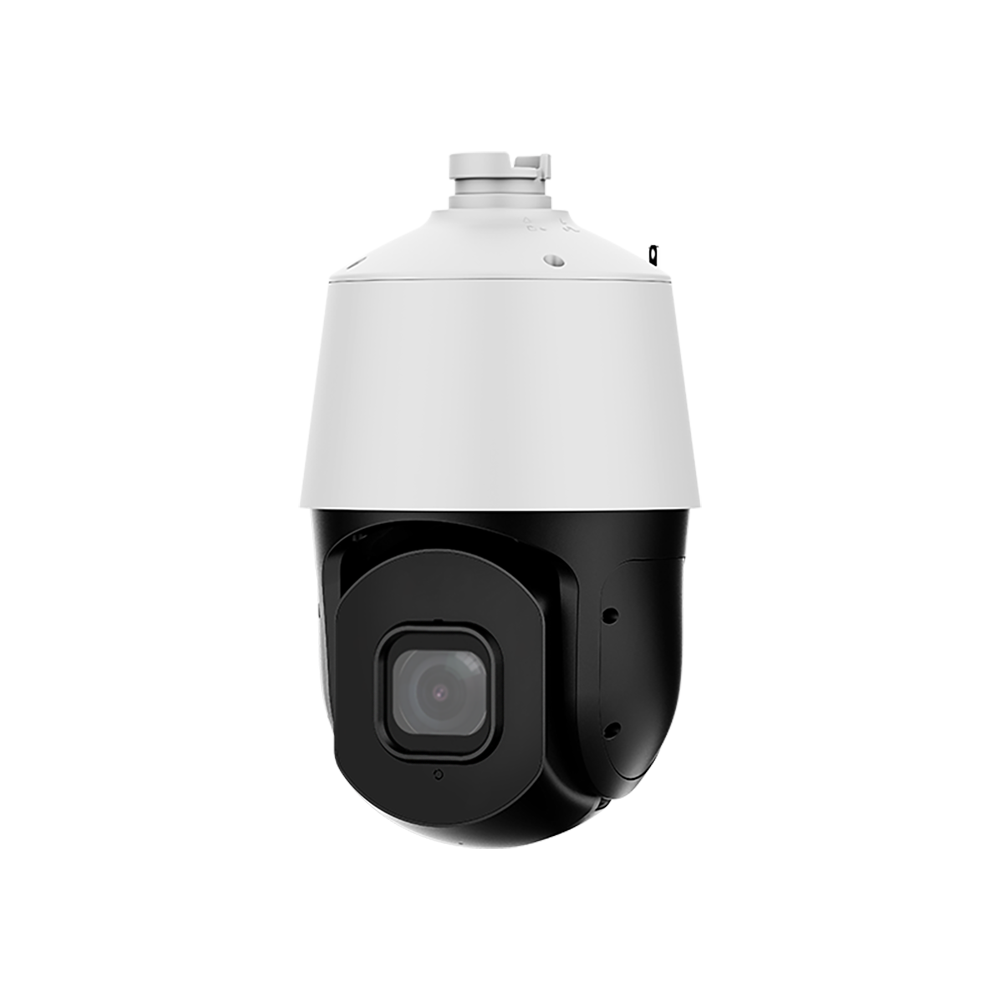
Resolution
2MP / 1080p at 30fps
Optical Zoom
25× (5–125 mm), 16× digital
IR Range
Up to 200 m / 656 ft
AI Analytics
Auto-tracking, perimeter protection, smoke & flame detection, intrusion, line crossing
PTZ Range
360° endless pan, -15° to 90° tilt with auto-flip, 400 presets
Defogging
Heated glass + Defog mode
Operating Range
-40°F to 140°F
Form Factor
5-inch outdoor PTZ (IP66)
A serious long-range PTZ at a price point that opens up applications usually reserved for premium hardware. The 25× optical zoom paired with 200 meters of IR illumination means useful identification distances measured in the hundreds of feet—appropriate for trucking yards, lay-down areas, large parking lots, fence lines, and perimeters where a fixed camera can't cover the territory.
Deep-learning auto-tracking will lock onto and follow detected humans or vehicles automatically, and the addition of smoke and flame detection extends usefulness into early fire awareness for outdoor storage, fueling areas, and industrial yards. The heated glass keeps the dome clear in fog, condensation, and freezing conditions—a small detail that matters when a camera is the only set of eyes on a remote yard at 4am. It pairs naturally with a fixed wide-area camera (covered later in the buyer's guide) so you maintain situational awareness while the PTZ handles close-up detail.
Quick Reference
Camera Summary
The table below summarizes key hardware specifications across all cameras in this guide. Cloudastructure's AI platform provides the analytics layer—detection, alerting, search, and reporting—for all of these cameras.
↔ Scroll to view table
| Camera | Resolution | IR | Form Factor | Durability | Price Tier |
|---|
| Axis Q1971-E (Thermal) | Thermal | Yes | Thermal Fixed | IP66/67 | Premium |
| Axis P1488-LE | High-FPS | Yes | Bullet | IP66/67 | Premium |
| Axis Q63 PTZ | HD | No | PTZ Dome | IP66 | Premium |
| Hanwha XNV-9083RZ | 4K | Yes | PTRZ Dome | IP66, IK10 | Premium |
| Hanwha PNM-C32083RQZ | 8MP ×4 | Yes | Multi-Sensor | IP66, IK10 | Premium |
| Hanwha PNM-12082RVD | 6MP ×2 | Yes | Multi-Sensor | IP67, IK10 | Mid-Range |
| Hanwha PNO-A9081RLP | 4K | Yes | Bullet | IP66, IK10 | Mid-Range |
| Sunell SN-IPV8056EDAR-Z | 5MP AI | Yes (40m) | Dome | IP66, IK10 | Value |
| Sunell SN-IPR8056BZAN-Z | 5MP AI | Yes (40m) | Bullet | IP67, IK10 | Value |
| Sunell SN-IPS8622YDR-Z25 | 2MP / 25× | Yes (200m) | PTZ | IP66 | Value |
New for 2026
Network Speakers
AI surveillance should be proactive, not just documentary. The most effective deterrent gets to the scene before loss occurs—and that means audio. Many cameras include built-in audio capability, but in practice they simply can't boom out a Voice Down loudly enough to deter unwanted behavior. The speakers are small, power-constrained, and designed for communication, not deterrence. A dedicated network speaker changes that equation entirely.
Customers who deploy network speakers alongside Cloudastructure's AI and Remote Guarding achieve a 98% deterrence rate—incidents detected and resolved before any loss occurs. It's one of the results we're most proud of, and it only happens when the right hardware is paired with the right software.
Now imagine Cloudastructure's AI detects the activity, a Remote Guarding agent reviews the feed in seconds, and a network speaker broadcasts clearly across the garage: "Attention—this is a secured area. You are being monitored by a live agent. Security is responding. Please leave immediately." In most cases, that's enough. The incident ends before anything is damaged, and no one had to be physically present to make it happen.
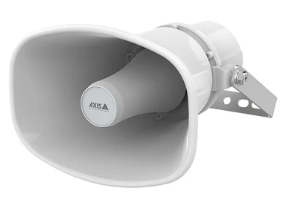
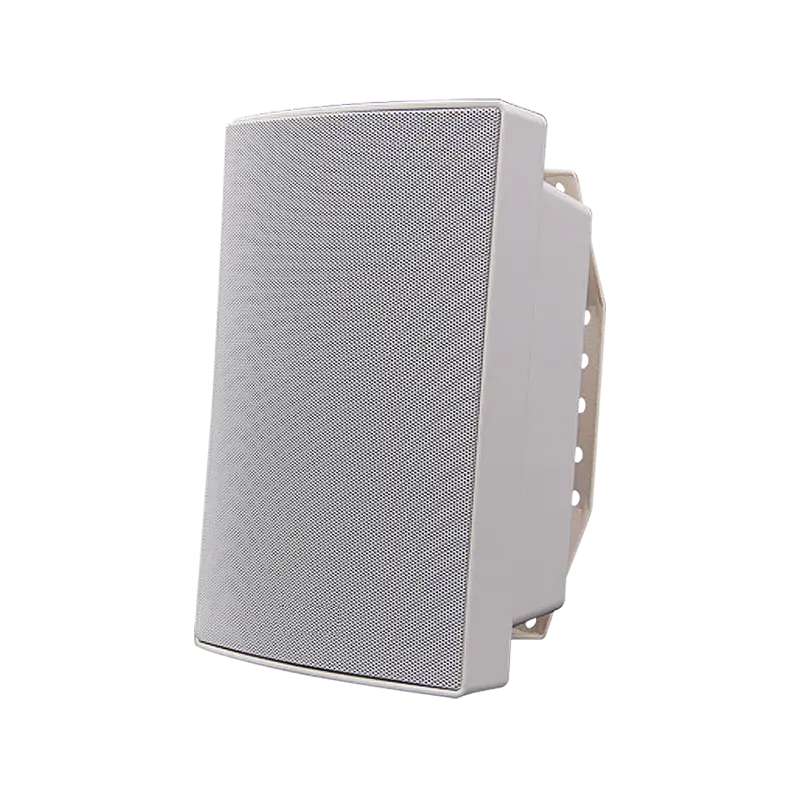
Network speakers come in various form factors—recessed, flush-mounted, dome, and wall-mount options are available for environments where aesthetics matter. For outdoor and large-area security applications, a horn-style speaker delivers the best combination of coverage, volume, and value. For indoor environments—lobbies, hallways, retail floors, common areas—a wall-mounted speaker is the better fit: clearer voice reproduction at appropriate indoor volumes, with a form factor that blends into the architecture.
Power Draw
12.95W, regular PoE
Power Draw
30W, requires PoE+
Power Draw
15W, regular PoE
Buyer's Guide
Features Worth Understanding
Before You Buy
A few features come up frequently in camera demos and sales conversations that are worth understanding clearly before you make purchasing decisions. None of these are worthless—but each has real-world limitations that don't always get mentioned.
Feature 01
AI on the Camera

Manufacturers often highlight on-camera AI as a major selling point—real-time detection, alerts to your phone, edge processing. It's a genuinely appealing concept, and for very small deployments it can work reasonably well. Here's where it runs into limitations at scale.
The processing chips embedded in cameras are cost-constrained by design—manufacturers balance capability against unit price, and the AI chip is one place that trade-off shows. Cloudastructure runs its AI on NVIDIA GPU infrastructure in the cloud, which means significantly more processing power, better accuracy, and the ability to improve the model over time without touching a single camera.
Second, how are these cameras going to work together when you have hundreds of them? Are you going to enter your cell phone number into each one to get alerts? What happens when you go to sleep, how are you going to change the cell number in 100 cameras to send someone else alerts when you take some time off? If a camera recognizes a face on one site, how is a camera 10 miles away at another site going to know it was the same person you are looking for who just showed up? AI on the cameras can't coordinate like Cloud AI can.
For most multi-site or multi-camera deployments, cloud-based AI is simply a better fit—more powerful, more coordinated, and far easier to manage. If you're evaluating cameras that carry a premium for on-board AI, it's worth asking whether that capability will actually get used at your scale.
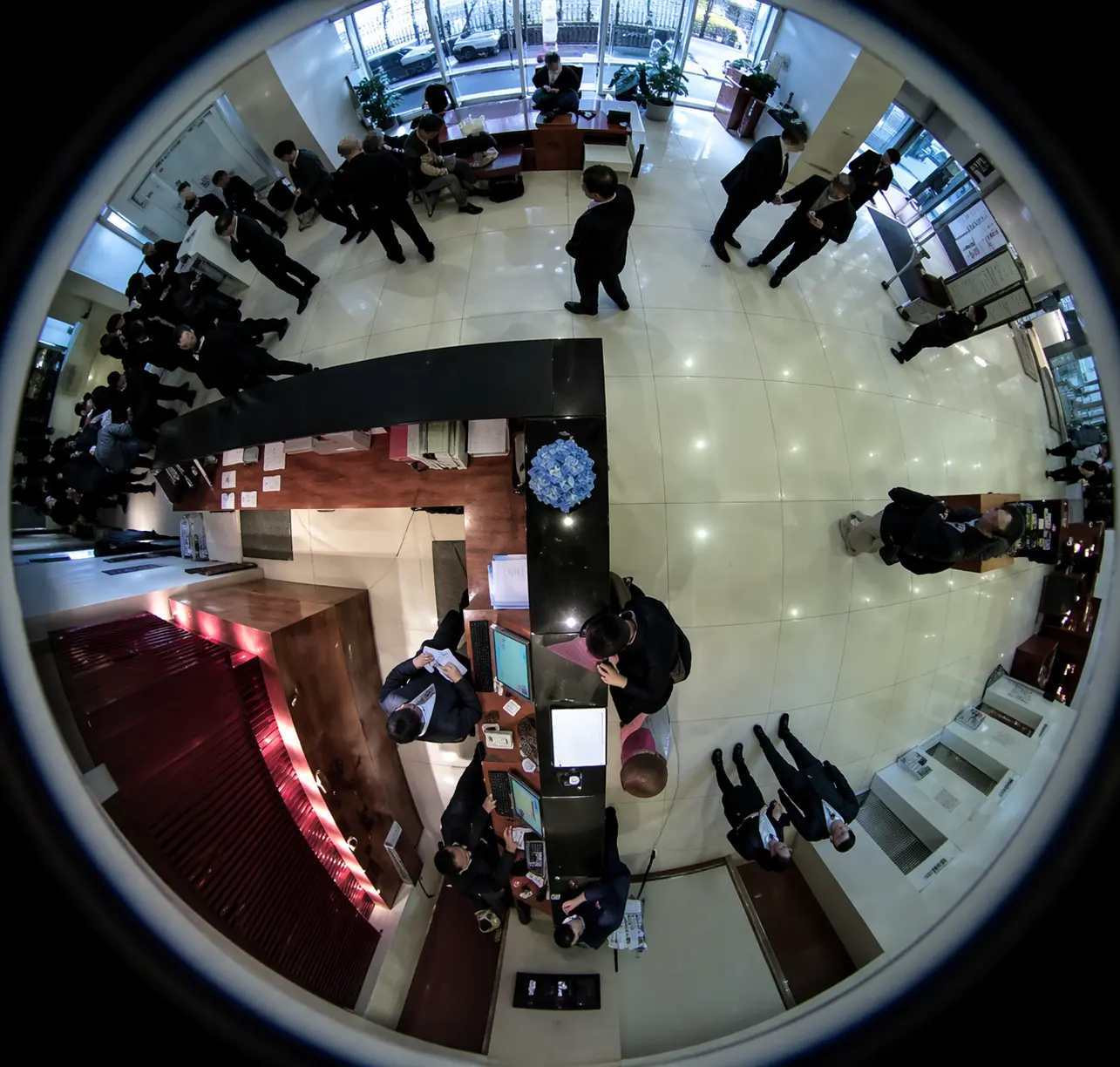
A 360-degree field of view is genuinely useful—but it's worth understanding the trade-off. A fisheye lens distributes the same pixel count across a much wider area, which means less resolution per zone than a standard lens covering the same space. The dewarped view operators actually work with is more usable, but you're still working with a single sensor stretched across a wide field. A multi-sensor camera—four independent imagers in one housing, each covering a 90-degree quadrant—delivers full resolution in every direction simultaneously. If coverage area is the priority, multi-sensor is often the stronger choice. If you need a cost-effective single-camera solution for a lobby or open floor, fisheye still earns its place in the right context.
→
For broad coverage at full resolution in every direction, consider a multi-sensor camera instead of fisheye.
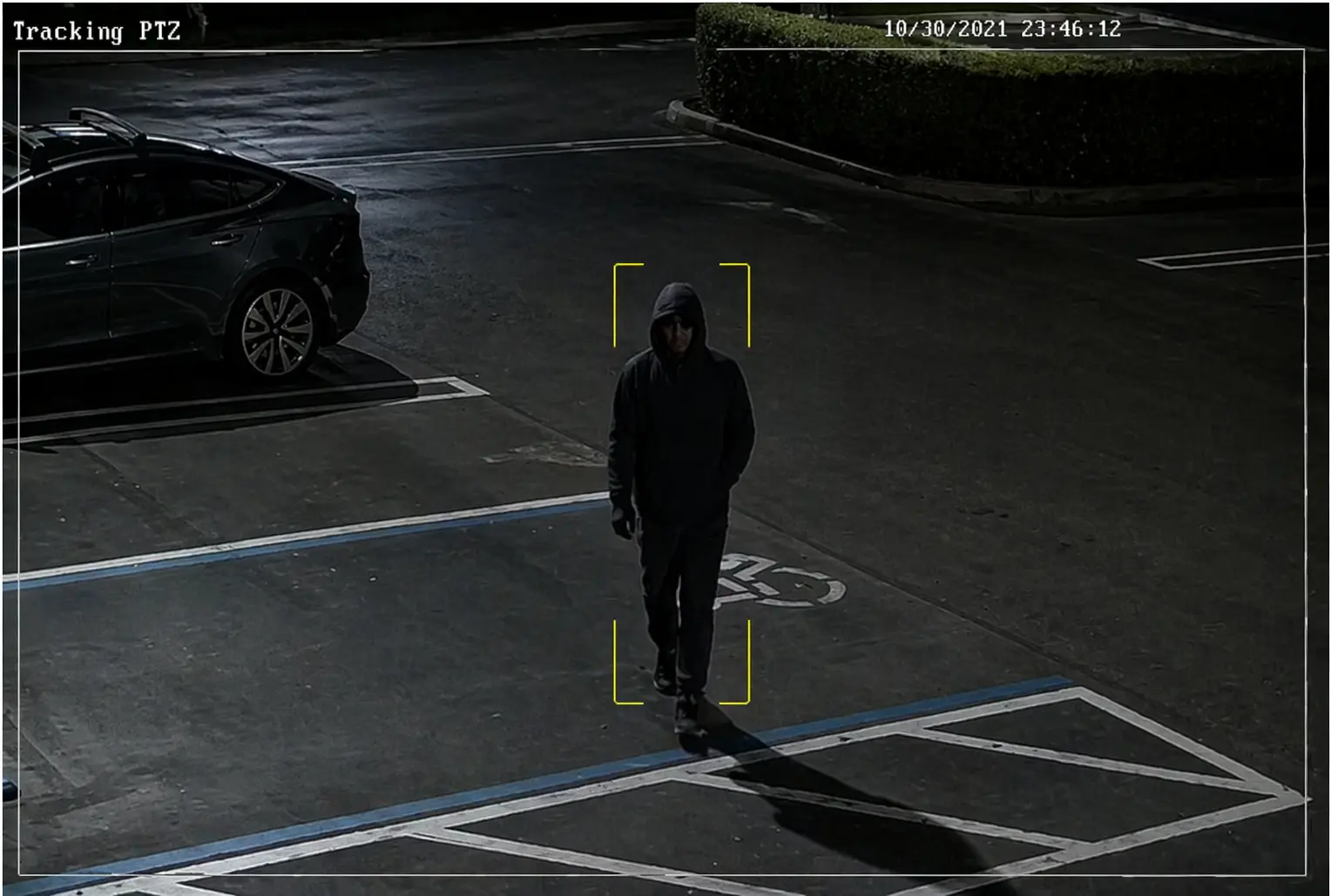
Auto-tracking PTZ has been a recurring feature in camera marketing for years, and the pitch is intuitive: the camera zooms in and follows a subject of interest, giving you high-resolution footage of that individual. In practice, the feature has two limitations worth knowing about.
First, reliability. Auto-tracking algorithms can misfire—locking onto movement that isn't actually a subject of interest and failing to return to the home position. It's less common with newer systems, but it still happens and is worth testing before relying on it operationally.
Second, coverage. When a PTZ is zoomed in tracking one subject, it's no longer watching the rest of the scene. That's a real gap if something more significant happens nearby at the same moment.
If auto-tracking is a feature you want to use, we recommend pairing the PTZ with a fixed wide-angle camera covering the same area. The fixed camera ensures you maintain full situational awareness while the PTZ handles close-up detail. It's a straightforward combination that gives you the best of both.
Why Cloudastructure
The Cloudastructure Advantage
The cameras in this guide represent our solution engineers' best recommendations across three price tiers—hardware that produces the image quality and reliability our platform needs to deliver accurate, actionable AI surveillance.
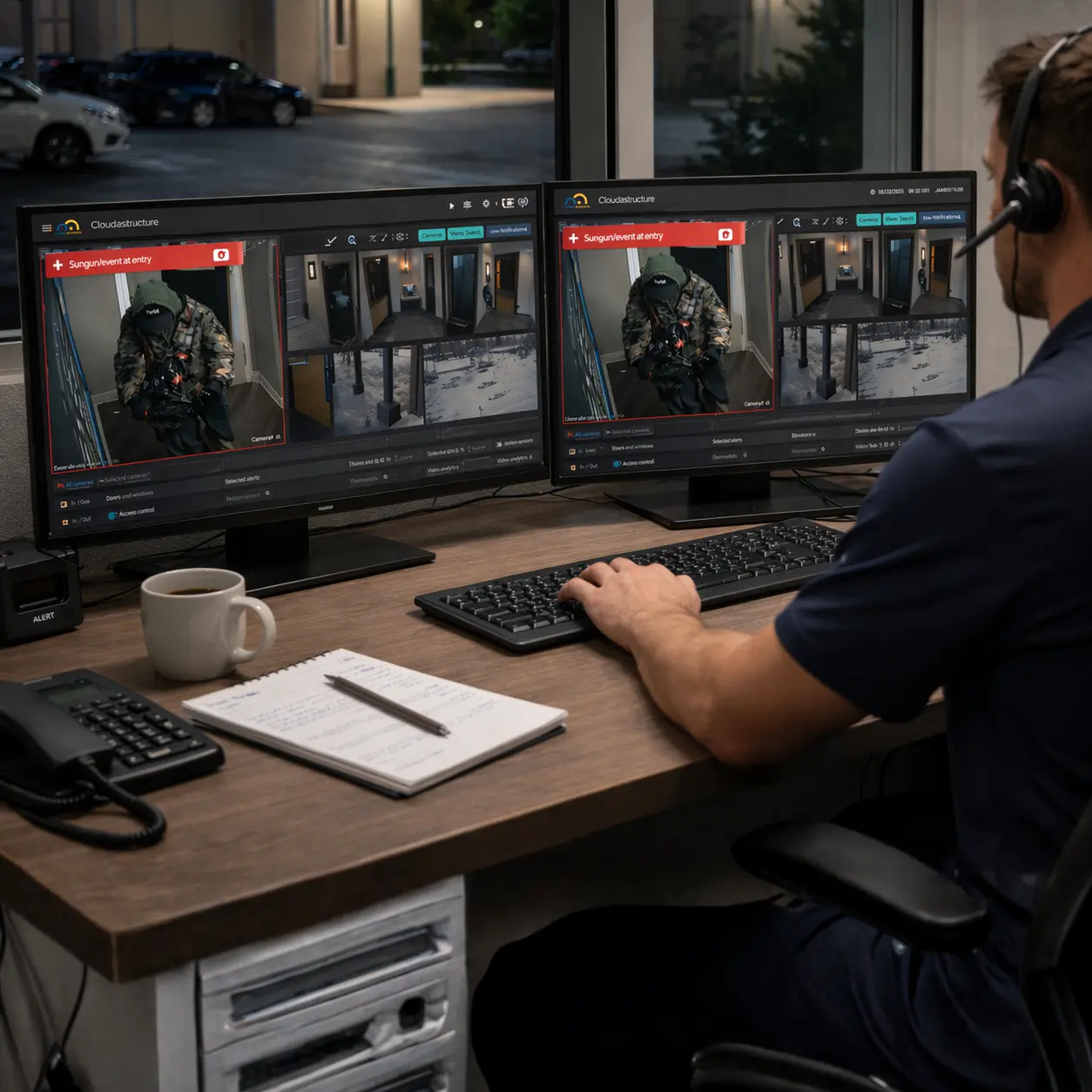
But the cameras are only half the equation. Cloudastructure's cloud-based AI platform is where the intelligence lives: object detection, person detection, behavioral analytics, timeline search, cross-site reporting, real-time alerting, and remote human guarding—all delivered through a unified dashboard that works across every camera in your environment, regardless of manufacturer or model.
Our approach is straightforward, and we think it makes switching easier than most people expect: we don't lock you into hardware, we don't require you to replace cameras that are working, and we don't ask you to depend on inconsistent manufacturer software for your AI. We provide the software layer that turns any good camera into an intelligent security sensor. Most customers are up and running faster than they anticipated, and the lift is far lighter than a traditional system overhaul.
If you're evaluating a new deployment or an upgrade—whether it's a multifamily property, a trucking or logistics facility, a commercial campus, a retail environment, or anything in between—our solution engineering team would love to help. We'll work through the right camera specification for your environment and budget, walk you through what Cloudastructure's AI looks like in practice, and make sure you feel confident before you commit to anything. There's no pressure and no obligation—just a conversation with people who do this every day.
The right stuff. The best AI. Better security.
.webp)
.webp)













.svg)
.svg)


