Webinar: The ADA & Fair Housing: What Property Managers Need to Know
Register Now
Upcoming Webinar: Can AI Stop Cargo Theft? What Works, What Doesn't & Where AI Fits Register Now
Upcoming Webinar: Graying Residents — Seniors, Safety & Liability in Property Management Register Now

Senior Resident Safety: What Property Teams Are Seeing

Senior Resident Safety
Survey 2026

Q1: What Concerns You Most When It Comes to Senior Residents at Your Property?

Poll Results

Hover over the chart to interact.
Click For Raw Data

Poll Results – Q1: What Concerns You Most When It Comes to Senior Residents at Your Property?

  • Slip-and-fall or other medical emergencies — 13 (39%)
  • ADA / Fair Housing accommodations and compliance — 7 (21%)
  • Concerns raised by adult children that staff cannot legally address — 5 (15%)
  • Liability when staff or others intervene to help — 5 (15%)
  • Physically or verbally abusive altercations involving senior residents — 3 (9%)

Key Takeaways

✔
Medical emergencies lead. Slip and fall or other medical emergencies were chosen by 39%, nearly double the next concern.
✔
Compliance is a close second. ADA and Fair Housing obligations drew 21%, showing regulatory exposure sits right next to resident safety.
✔
Risk extends past the incident. Staff intervention liability and family concerns staff cannot legally address each drew 15%.
✔
Altercations rank last. At 9%, conflict is a smaller concern than health events and their aftermath.
✔
Concerns are spread across five areas. No single issue dominates, so properties need flexible, well documented security tools.
Summary: Senior resident safety concerns center on medical emergencies, followed by compliance and liability. Together, these point to a need for clear, objective records of what happened. AI Video Surveillance supports that need by capturing events as they occur, while Remote Guarding adds a live layer of oversight that helps teams respond and document consistently.

Q2: When a Serious Incident Involving a Senior Resident Occurs, How Consistently Is It Documented the Same Day?

Poll Results

Hover over the chart to interact.
Click For Raw Data

Poll Results – Q2: When a Serious Incident Involving a Senior Resident Occurs, How Consistently Is It Documented the Same Day?

  • Always — with a formal incident report and any surveillance footage pulled — 19 (59%)
  • Usually — but documentation isn't always completed that day — 8 (25%)
  • Sometimes — depending on the circumstances — 4 (13%)
  • Rarely — documentation is inconsistent — 1 (3%)
  • We don't have a formal process — 0 (0%)

Key Takeaways

✔
Most properties document consistently. 59% always complete a formal report and pull footage the same day.
✔
Timing is where the process slips. 25% say documentation is usually completed but not always that day, so a delay can leave a gap in the record when a claim or family inquiry follows.
✔
Consistency is not universal. 41% of respondents do not always document the same day, once the usually, sometimes and rarely answers are combined.
✔
Every respondent has a process. With 0% reporting no formal process, the opportunity for risk and compliance leaders is tightening consistency, not building procedures from scratch.
✔
Video is already part of the workflow. The leading answer includes pulling surveillance footage, so fast and easy access to video directly affects how quickly and completely a report gets finished.
Summary: Documentation is well established among respondents, but same day completion is not universal. Closing that gap means making footage easy to retrieve and incidents easy to verify. Cloud based AI Video Surveillance and Remote Video Guarding help teams capture and log events as they happen, supporting faster and more consistent reporting.

Q3: What resources does your property have to monitor for or respond to senior resident safety incidents overnight, when staff may not be on site?

Poll Results

Hover over the chart to interact.
Click For Raw Data

Poll Results – Q3: What Resources Does Your Property Have to Monitor or Respond to Senior Resident Safety Incidents Overnight? (Select All That Apply)

  • Video surveillance that staff can review remotely — 9 of 20
  • None of these — 7 of 20
  • Emergency call buttons, pull cords or resident alert systems — 4 of 20
  • Security personnel on site overnight — 3 of 20
  • Live remote security monitoring — 0 of 20

Key Takeaways

✔
Remote video review is the most common tool. 9 of 20 respondents have video surveillance that staff can review remotely, making it the most widely used overnight resource.
✔
A meaningful share has no overnight resources. 7 of 20 (35%) selected none of the options, which leaves senior residents without monitoring or response support when staff are off site.
✔
Resident alert systems are limited. Emergency call buttons, pull cords or alert systems were selected by 4 of 20, so many properties do not have a built in way for residents to signal for help overnight.
✔
On site overnight security is uncommon. Only 3 of 20 have security personnel on site, which shows how few properties staff for after hours coverage.
✔
Live remote monitoring is an open gap. 0 of 20 reported live remote security monitoring. Reviewing video after the fact is common, while real time oversight is not yet part of the mix for this group.
Summary: Overnight coverage varies widely. Many properties rely on reviewing video after the fact, and a meaningful share have no overnight resources at all. Remote Guarding closes that gap by pairing AI Video Surveillance with live monitoring when staff are off site, supporting real time crime deterrence and faster response to resident safety events.

Q4: When a serious incident involving a senior resident happens, where is your biggest challenge?

Poll Results

Hover over the chart to interact.
Click For Raw Data

Poll Results – Q4: When a Serious Incident Involving a Senior Resident Happens, Where Is Your Biggest Challenge?

  • Knowing quickly what happened — 7 (39%)
  • Handling the legal, privacy and family issues that follow — 7 (39%)
  • Having adequate documentation if a claim arises — 3 (17%)
  • Getting someone to the property quickly — 1 (6%)

Key Takeaways

✔
Two challenges tie for first. Knowing quickly what happened and handling the legal, privacy and family issues that follow each drew 39%.
✔
Information and aftermath dominate. Together, these two account for 78% of responses, so the hardest part of an incident is understanding it and managing what comes next.
✔
Documentation is a distinct concern. 17% named having adequate documentation if a claim arises as their biggest challenge, a direct link to the liability concerns raised in Q1.
✔
Getting someone on site is rarely the issue. Only 6% pointed to getting someone to the property quickly, which suggests response logistics are less of a barrier than visibility and follow through.
✔
Verified visibility is the common thread. Knowing what happened underpins the response, the documentation and the conversations with families and legal teams that follow.
Summary: For most respondents, the hardest part of an incident is not getting someone on site. It is understanding what happened and managing the legal, privacy and family issues afterward. AI Video Surveillance provides a clear record of events, and Remote Video Guarding helps verify situations in real time, giving teams the facts they need to respond and communicate with confidence.

Q5: How useful would it be if your existing cameras could automatically detect a fall involving a senior resident and alert the appropriate people?

Poll Results

Hover over the chart to interact.
Click For Raw Data

Poll Results – Q5: How Useful Would It Be If Your Existing Cameras Could Automatically Detect a Fall Involving a Senior Resident and Alert the Appropriate People?

  • Not sure — 7 (37%)
  • Extremely useful — 5 (26%)
  • Very useful — 3 (16%)
  • Somewhat useful — 3 (16%)
  • Not very useful — 1 (5%)

Key Takeaways

✔
Uncertainty is the top answer. 37% are not sure, the largest single response, which signals that automated fall detection is still unfamiliar to many property teams.
✔
Strong interest from a large share. 42% rated it extremely or very useful, with 26% choosing extremely useful, the highest single rating.
✔
A majority see value. 58% rated it at least somewhat useful, compared to only 5% who found it not very useful.
✔
Resistance is minimal. Just one respondent rated it not very useful, so the barrier looks like awareness and understanding, not skepticism.
✔
Existing cameras are the starting point. The scenario builds on cameras already installed, pointing to AI Analytics for Surveillance as an add on to current infrastructure rather than a replacement, which matters to owners and facilities directors managing budgets.
Summary: Interest in automated fall detection is clear, with most respondents seeing value and a large share still unsure how it would work. That makes education the first step. AI Analytics for Surveillance can turn existing cameras into proactive tools that detect events and alert the right people, and Remote Guarding adds a human layer to verify and act.

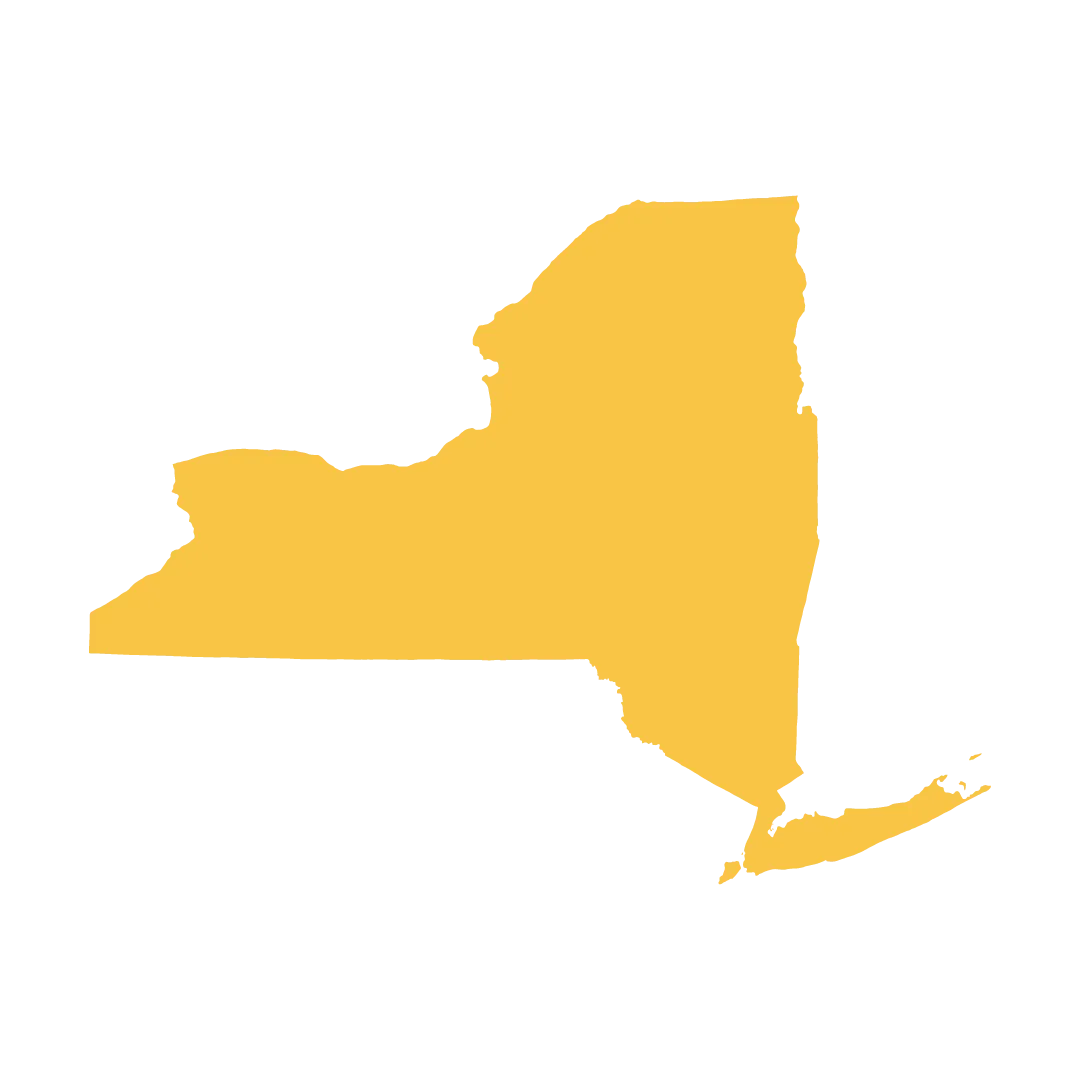
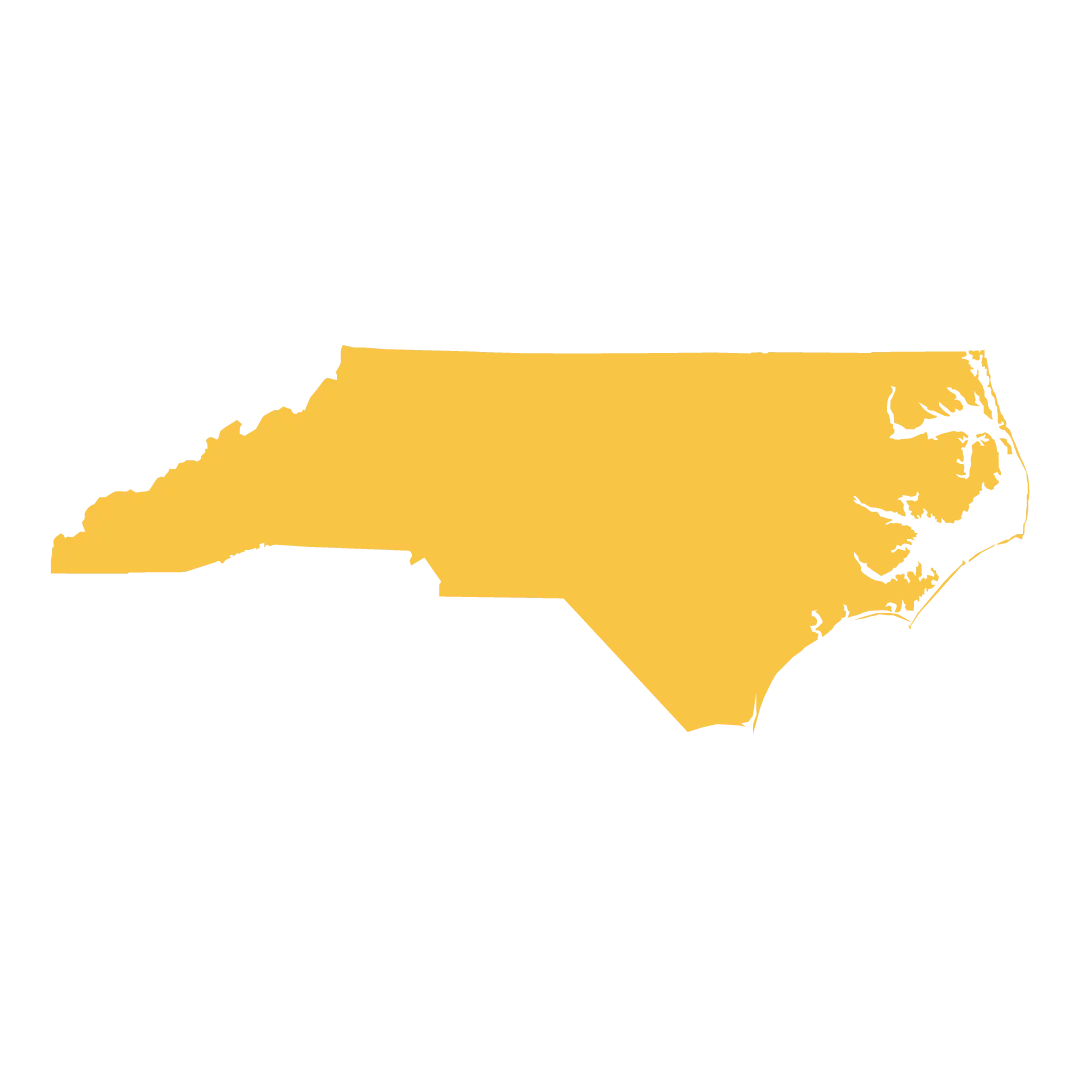
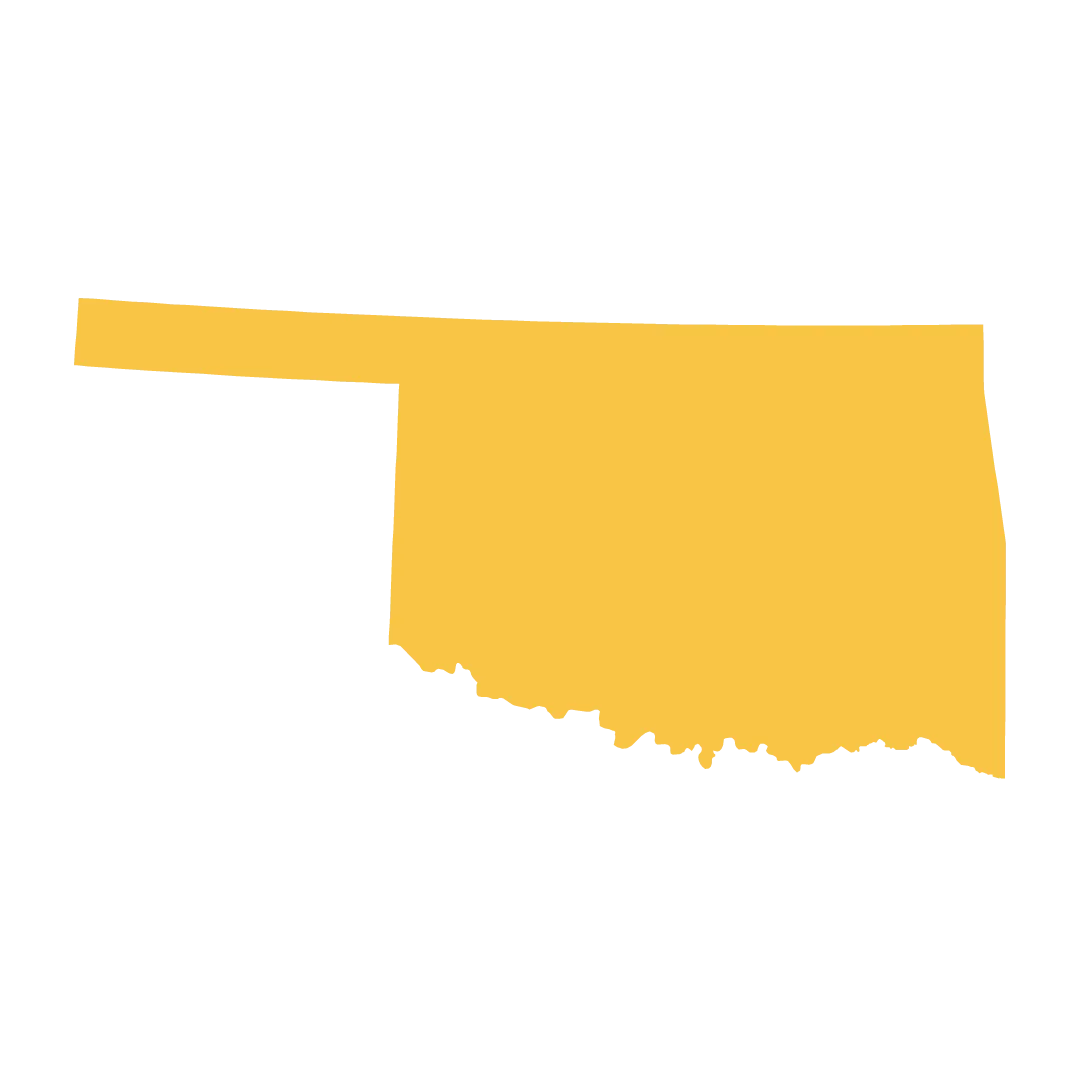
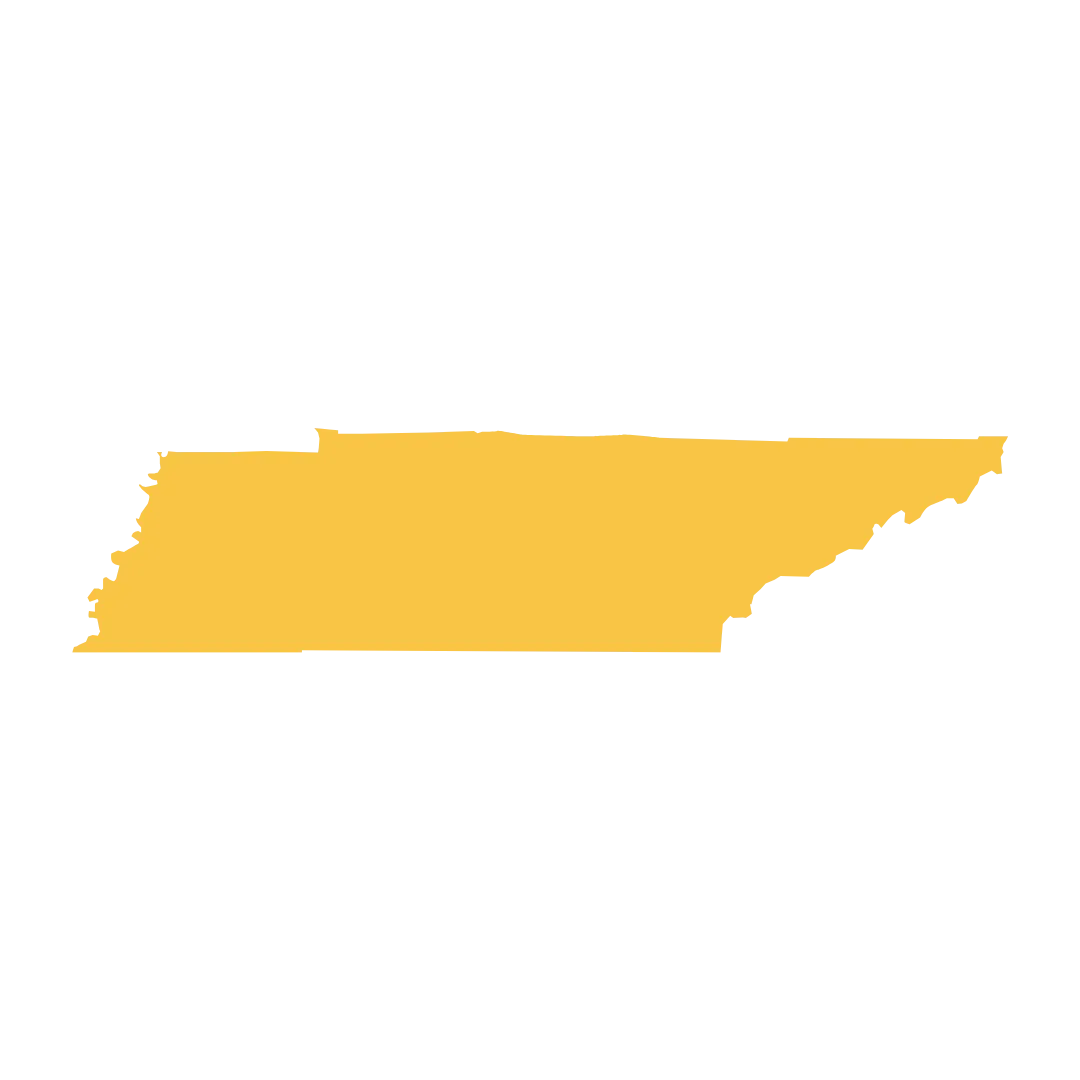
Know Your Law

See where and how these laws might affect your property

Turn Insights Into Action

Poll results are valuable — but the real impact comes from applying them.
Schedule a call with Cloudastructure to explore how AI-powered surveillance and remote guarding can help deter cargo theft, close coverage gaps at your yard, and protect your fleet around the clock.
Request a Demo
End of Year offer
Protect Now, Pay in 2026
Stay ahead of crime this holiday season with Cloudastructure’s AI Surveillance, and defer all payments until 2026.
Claim Offer Now