

Blog

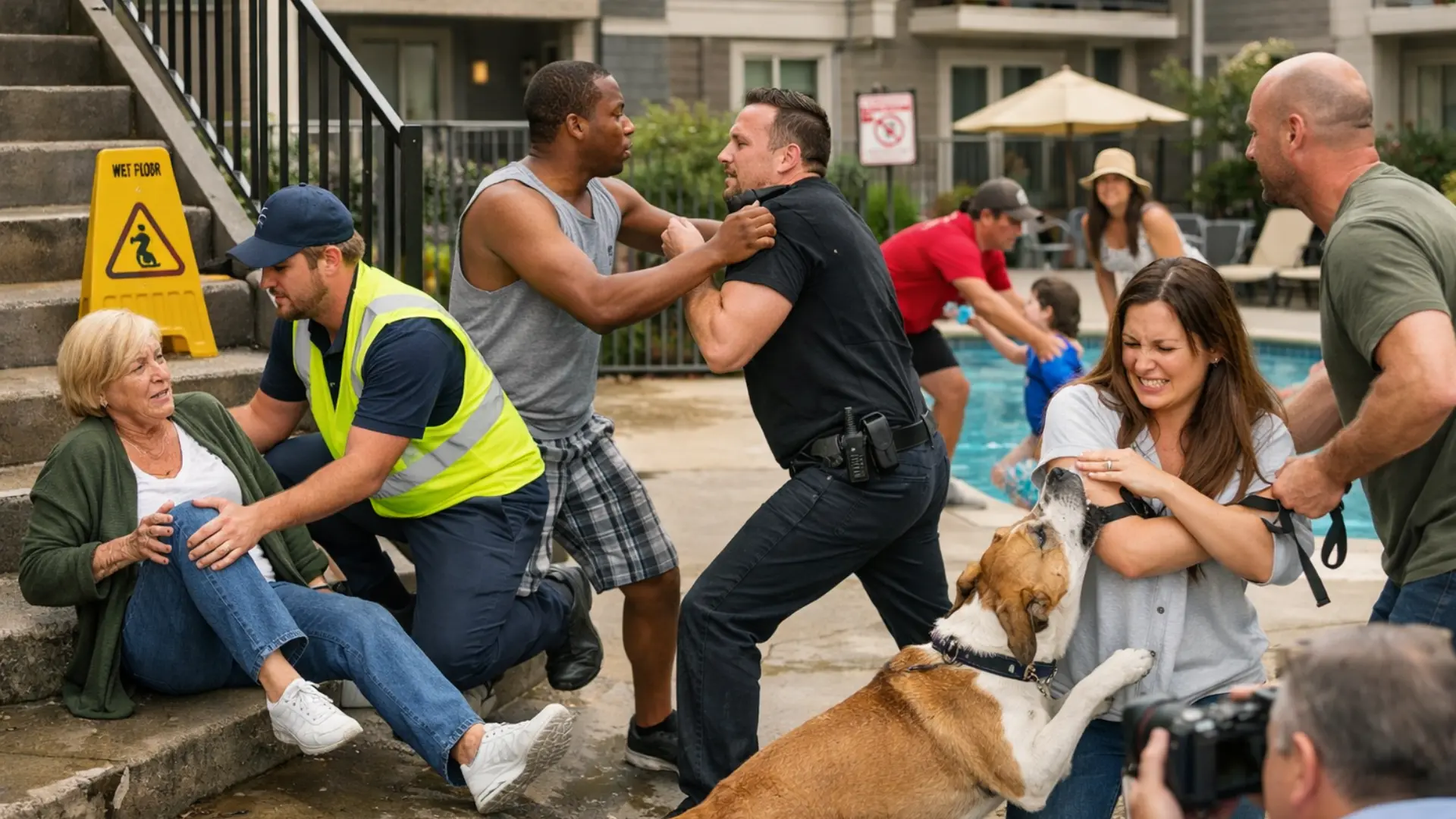
Liability exposure has overtaken crime as the leading operational concern for multifamily owners and operators. From escalating jury awards to rising insurance premiums and defense costs, the liability environment from 2023–2025 has materially changed how apartment owners must think about risk.
The growth of “nuclear verdicts” — typically defined as jury awards exceeding $10 million — has raised the financial stakes of even routine incidents on a property. Industry analyses from Risk & Insurance and legal defense firms show that from 2023 through 2025, liability litigation costs climbed sharply as the number and size of nuclear verdicts increased, while “social inflation” pushed claims payouts higher and broadened legal exposure for businesses and property owners. The result is a more volatile and expensive liability landscape for multifamily portfolios.
One legal analysis shows that in 2024 alone:
The totals for 2025 are yet to come in.

According to the Multifamily Crime Polls, 100% of respondents in 2025 expressed concern about liability risk. Their top fears included:
These are not abstract risks — they are everyday events that can quickly become legal disputes, insurance claims, or reputational issues. As a result, prevention and documentation have become central to how many teams think about operations, not just security.
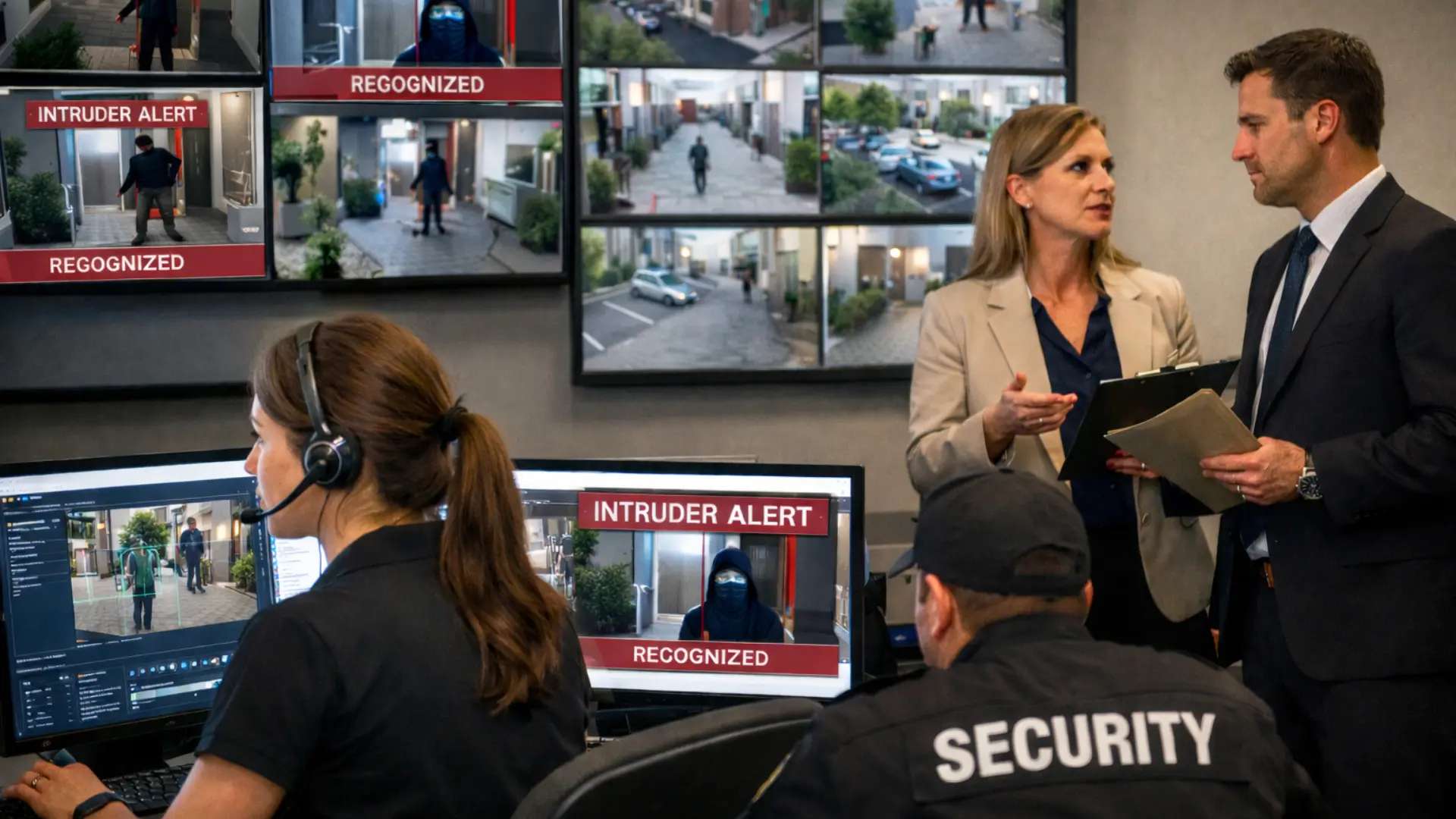
Beyond the incidents themselves, property managers pointed to a deeper structural problem: inconsistent incident documentation, missed events, and fragmented case management.
Only 28% of respondents reported high confidence in their ability to defend against false claims. That means most operators feel exposed if a case were to escalate to litigation.
This is where tools like AI video surveillance and real time surveillance have begun to change how incidents are recorded and reviewed. Instead of relying solely on manual logs or after-the-fact recollections, many properties now capture time-stamped footage, alerts, and centralized records that can be referenced later if a claim arises.
In some cases, operators are also incorporating remote guarding services, which add an additional layer of monitoring that can both deter incidents and create clearer, consistent documentation when something does occur.
As large liability awards become more common, insurers have responded with higher premiums, tighter underwriting standards, and more detailed risk assessments. Properties are responding by adopting AI video surveillance and remote guarding so they can demonstrate consistent incident documentation, standardized response processes, and reliable records to have more productive conversations with carriers.
Multifamily teams are starting to view security and surveillance less as standalone functions and more as part of a broader risk-management strategy that intersects with legal, insurance, and operations.
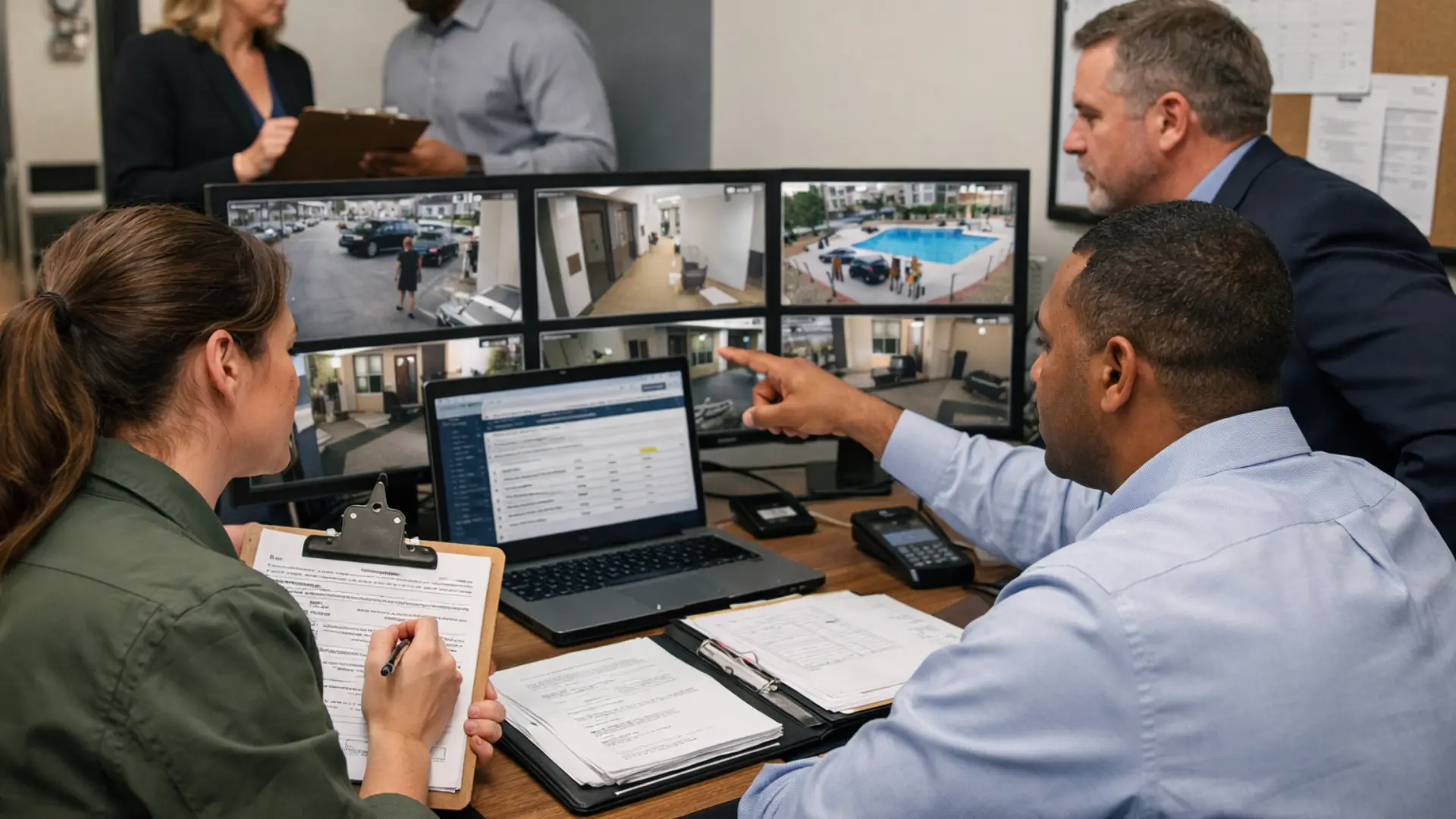
The shift isn’t just about installing more cameras — it’s about how incidents are detected, documented, and reviewed over time. Increasingly, operators are considering:
These changes reflect a broader trend: liability risk is now a core operational concern, not just a legal one.
This analysis is drawn from the Multifamily Crime and Risk Management Report 2025: Rising Crime, Rising Liability which explores how rising liability, documentation practices, and evolving surveillance technologies are reshaping multifamily risk management. The full report includes additional data, case examples, and recommendations.





.svg)
.svg)

.webp)

